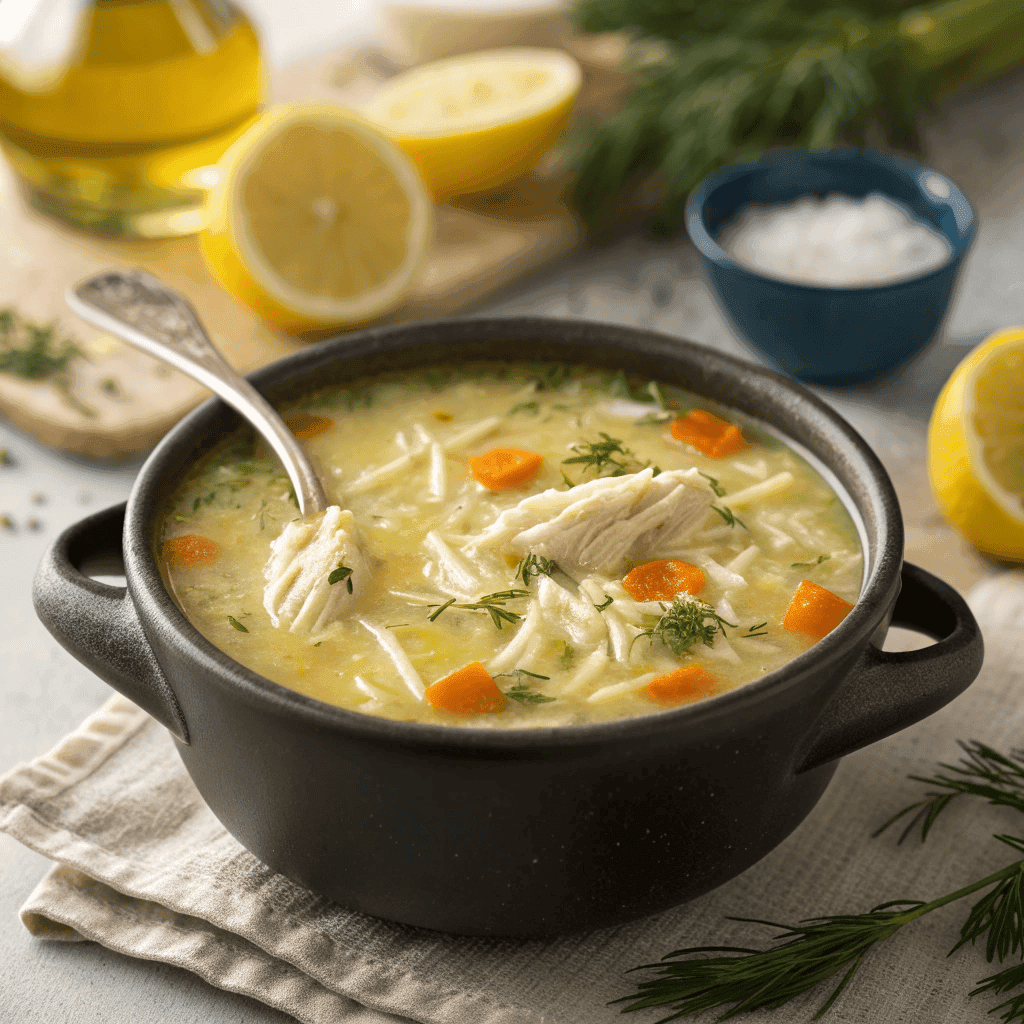
Authentic Avgolemono: The Secret to Perfect Greek Lemon Soup
There's a special kind of warmth that only a truly exceptional bowl of soup can provide, and for many, that comfort food comes in the form of Greek lemon chicken soup. Known in its homeland as Kotosoupa Avgolemono, this isn't just any chicken soup. It's a culinary embrace, a silky, tangy, and deeply satisfying dish that has nourished generations and become a trademark of Greek cuisine. While often sought for its restorative qualities, especially on a chilly day, the true magic of this iconic soup lies in its namesake sauce: Avgolemono.
The word Avgolemono literally translates to "egg-lemon," and it's this delicate, emulsified concoction that transforms simple chicken broth into a luxurious, creamy elixir without a drop of dairy. It's the "secret ingredient" that elevates a humble soup to an elegant masterpiece, providing that unique creamy texture and unmistakable tangy lemon kick that defines authentic greek lemon chicken soup. Many attempt it, but mastering the Avgolemono technique is key to unlocking the soup's true potential. Join us as we uncover the secrets to crafting this heartwarming and deceptively simple dish.
What Makes Avgolemono Truly Authentic? Unpacking the Greek Secret
The allure of traditional greek lemon chicken soup isn't just its comforting nature; it's the elegant simplicity and ingenious technique behind the Avgolemono sauce. This isn't merely an ingredient; it's a foundational cooking method in Greek cuisine that lends richness and body without heavy fats. To truly appreciate its authenticity, one must understand its defining characteristics:
- No Cream, No Flour, No Starch: This is perhaps the most crucial distinction. Authentic Avgolemono achieves its velvety texture through the natural thickening power of eggs, not by adding cream, flour, or cornstarch. The eggs, when tempered correctly, emulsify with the broth, creating a naturally thick and luscious consistency.
- A Silky, Fluid Texture: The goal is a light, elegant soup that coats the spoon beautifully, yet remains fluid. It should never feel heavy, gummy, or custard-like. This balance is a hallmark of a well-executed Avgolemono.
- Gentle Tempering of Eggs: The process of slowly bringing the eggs up to temperature with hot broth is critical. Rushing this step or exposing the eggs to direct high heat can result in scrambling or curdling, ruining the texture and appearance.
- Balanced Lemon Flavor: The lemon should be bright and invigorating, lifting the flavors of the chicken and broth without being overwhelmingly sharp or sour. It's about a harmonious tang that excites the palate.
When done right, an authentic Avgolemono soup is light yet deeply satisfying, warming you from the inside out without weighing you down. It's a testament to the fact that often, the most sophisticated flavors come from the fewest, highest-quality ingredients, expertly handled. For more insights on achieving that perfect creaminess without dairy, check out our guide on Traditional Avgolemono: Creamy Greek Lemon Chicken Soup Without Cream.
The Essential Ingredients for a Perfect Greek Lemon Chicken Soup
While the Avgolemono sauce is the star, a perfect greek lemon chicken soup relies on a handful of high-quality foundational ingredients. Each plays a vital role in building the layered flavors and comforting texture.
Homemade Chicken Broth: The Soul of the Soup
Undoubtedly, the most critical component is a rich, flavorful homemade chicken broth. Store-bought broths, while convenient, simply cannot compare to the depth and nuance of a broth made from scratch. Ideally, use chicken thighs, drumsticks, or even a whole chicken carcass, simmered gently with aromatic vegetables like onions, carrots, and celery. This slow extraction of flavor creates a clean, golden base that is essential for the Avgolemono to shine. A good broth provides the canvas; a great broth provides the very soul of your soup.
The Power Duo: Eggs and Fresh Lemon Juice
As the name suggests, eggs and lemon are non-negotiable. Use whole, fresh eggs for their binding properties and ability to create a silky body. The number of eggs can vary slightly based on desired thickness, but typically 2-3 large eggs per batch of soup are sufficient. For the lemon, always opt for freshly squeezed juice. Bottled lemon juice often has a dull, slightly bitter flavor that will detract from the bright, vibrant essence of the soup. The zest of a lemon can also be incorporated into the broth for an extra aromatic lift.
Short-Grain Rice: For Texture and Body
Short-grain rice is the classic choice for Avgolemono. Its starchy nature helps to thicken the soup slightly and provides a delightful, tender texture. Here's a crucial tip from generations of Greek home cooks: pre-soak your rice! Soaking the rice in water for at least 30 minutes (or even longer) before cooking allows the grains to absorb water, hydrate, and swell. This results in several benefits:
- Faster, More Uniform Cooking: The rice cooks more quickly and evenly, preventing some grains from being crunchy while others are mushy.
- Fluffier Texture: Hydrated rice expands more gracefully during cooking, yielding a distinctively fluffier grain that doesn't clump together.
- Optimal Starch Release: While not the primary thickener, the starch released by the rice contributes subtly to the soup's overall body, working in harmony with the Avgolemono.
Shredded Cooked Chicken: Tender Comfort
Once your chicken broth has been made (ideally from chicken boiled until tender), remove the meat, allow it to cool, and then shred it into bite-sized pieces. This tender, flavorful chicken is folded back into the soup just before serving, adding a hearty element and extra comfort. Using the same chicken that made the broth ensures maximum flavor integration.
Subtle Seasoning and Fresh Herbs
Keep the seasoning simple to let the core flavors shine. White pepper is preferred over black pepper to avoid dark specks and provide a subtle warmth. Salt, of course, to taste. For serving, fresh herbs add color and an aromatic finish. While flat-leaf parsley is a common garnish, fresh dill is the most traditional and flavorful Greek option, offering a unique herbaceous complement to the lemon.
While some variations might include orzo instead of rice, or an extra egg yolk for richness, the authentic essence of greek lemon chicken soup avoids heavy garlic, butter, cream, or other artificial thickening agents.
Mastering the Avgolemono Technique: Avoiding Common Pitfalls
This is where many home cooks stumble, transforming what should be a silken soup into a lumpy or curdled mess. But fear not, mastering the Avgolemono technique is entirely achievable with patience and understanding.
The Art of Tempering Eggs
Tempering is the process of gradually raising the temperature of a cold ingredient (in this case, eggs) by slowly adding a hot liquid to it. This prevents the eggs from scrambling when they are eventually incorporated into the hot soup base.
- Whisk Eggs Thoroughly: In a medium bowl, vigorously whisk your eggs (and lemon juice) until they are light, frothy, and uniformly yellow. This creates air and helps stabilize the emulsion.
- Slowly Introduce Hot Broth: Ladle a small amount (about 1/2 cup) of the hot chicken broth from your soup into the egg mixture while continuously whisking. Don't stop whisking! This warms the eggs gently.
- Repeat and Increase: Continue adding hot broth, a ladleful at a time, whisking constantly after each addition. Gradually increase the amount of broth until you've added about 3-4 cups to the egg mixture. The egg mixture should now be warm to the touch. This step is critical; it brings the eggs slowly up to the temperature of the soup.
- Incorporate into Soup: Slowly pour the tempered egg-lemon mixture back into the main pot of soup, continuing to stir the soup gently. This ensures even distribution and prevents localized cooking of the eggs.
Achieving the Ideal Texture
Once the Avgolemono mixture is incorporated, the key is to allow the soup to thicken gently without boiling. Boiling after adding the Avgolemono will almost certainly curdle the eggs, leading to an unpleasant grainy texture.
- Gentle Heat, No Boil: Return the pot to very low heat. Stir continuously for 2-5 minutes until the soup visibly thickens and coats the back of a spoon. The residual heat from the broth and the gentle low heat are enough to cook the eggs just enough for thickening.
- Never Stop Stirring: Constant, gentle stirring prevents the eggs from settling at the bottom and overcooking.
- Trust Your Eyes: The soup will thicken noticeably as it heats. Avoid the temptation to crank up the heat. If it doesn't thicken after a few minutes, you can slightly increase the heat, but watch it like a hawk.
The Perfect Lemon Balance
The amount of lemon juice is a matter of personal preference, but generally, 1/4 to 1/2 cup of fresh lemon juice is used for a standard pot of soup. It's often best to add a portion of the lemon juice with the eggs during tempering and then taste the finished soup, adding more fresh lemon juice, if desired, just before serving. This allows for adjustment and ensures a bright, fresh lemon flavor.
Beyond the Basics: Serving and Enjoying Your Avgolemono
Once you've mastered the art of greek lemon chicken soup, the joy is in the serving and savoring. Ladle generous portions into bowls, ensuring each serving gets plenty of tender shredded chicken and fluffy rice. Garnish with a sprinkle of fresh dill or parsley for a pop of color and herbaceous aroma. A grind of white pepper can also enhance the experience.
Avgolemono is traditionally served as a substantial first course or a light main. It pairs wonderfully with crusty bread to soak up every last drop of the silky broth. Its light yet comforting profile makes it versatile for any season – perfect for a cozy winter evening or a surprisingly refreshing dish on a cool spring day.
This soup is more than just food; it's a taste of Greek hospitality and tradition, a dish that brings comfort and nourishment in every spoonful. Embrace the process, learn the subtleties, and you'll be rewarded with an authentic greek lemon chicken soup that will impress and delight.
The journey to perfect Avgolemono may seem daunting at first, but with these insights and techniques, you're well on your way to creating a truly authentic Greek lemon chicken soup. From the vital homemade broth to the delicate tempering of the Avgolemono sauce, each step contributes to a culinary masterpiece that is both elegant and profoundly comforting. So, grab your whisk, squeeze those lemons, and prepare to be enchanted by the timeless magic of this beloved Greek classic.
